“I’ve done it hundreds of times, Doctor. Nothing ever happened before.”
Until it did.
A bottle cap. A stubborn packet. A plastic tag on new clothes. A pen held between the teeth while working.
We use our teeth as tools so casually that we rarely consider the risk.
Then one day, there’s a small crack.
And suddenly a perfectly healthy tooth that had survived for decades is chipped, or worse, fractured deeply enough to require significant dental treatment.
Strong Doesn’t Mean Indestructible
Human enamel is remarkably strong. Our teeth are designed to withstand years of chewing.
But there’s an important distinction:
Teeth are designed for chewing food, not opening bottles.
When you bite food, forces are distributed relatively predictably across teeth.
Using your front teeth to twist a bottle cap or tear something tough can create concentrated forces in directions the tooth wasn’t designed to tolerate.
Sometimes nothing happens.
That’s precisely what makes the habit dangerous.
Success creates confidence.
“I’ve always done it.”
Until one attempt produces a fracture.
Not Every Crack Is Just a Cosmetic Problem
A tiny enamel chip may require only smoothing or bonding in suitable cases.
But fractures can extend deeper.
If enough tooth structure breaks, the tooth may require more extensive restoration. If the fracture reaches the pulp, root canal treatment may become necessary. Certain severe fractures extending deep into the root can even make saving the tooth difficult.
That’s quite a price for opening a ₹50 bottle.
And Bottles Aren’t the Only Culprit
Dentists regularly see damage associated with everyday habits:
Using teeth to tear packets.
Biting pens and pencils.
Chewing ice.
Biting fingernails.
Holding pins or objects between teeth.
Cracking nuts or very hard foods with front teeth.
These behaviours may cause repeated micro-stress long before something visibly breaks.
The Realtooth Perspective: Prevention Includes Behaviour
At Realtooth, we often talk about preventive dentistry in terms of brushing, flossing and regular dental examinations.
But prevention is bigger than that.
It’s also recognising the small behaviours that unnecessarily expose healthy teeth to risk.
When a patient presents with a fractured tooth, our job isn’t simply to restore it. We also need to ask:
Why did it fracture?
Was it trauma?
Was the tooth already weakened?
Is the patient grinding?
Is the bite creating excessive forces?
Or are teeth routinely being used for something they were never designed to do?
Because repairing a tooth without changing the behaviour that damaged it may simply restart the same cycle.
A Small Habit. A Bigger Lesson.
There’s something about this that extends beyond dentistry.
We often confuse “nothing has happened yet” with “this must be safe.”
We skip preventive health checks because we’ve always been fine.
We ignore warning signs because they’ve never caused serious trouble.
We continue risky habits because yesterday had no consequences.
But absence of consequences isn’t evidence of absence of risk.
Sometimes prevention is incredibly sophisticated.
And sometimes it’s wonderfully simple:
Use a bottle opener.
Your teeth have a much more important job to do for the next several decades.
The Realtooth Takeaway
Modern dentistry can beautifully restore many broken teeth.
But the greatest success isn’t repairing an avoidable fracture.
It’s preventing a healthy tooth from breaking in the first place.
Your Teeth Are Not Tools: One Harmless Habit Can Cost You a Tooth
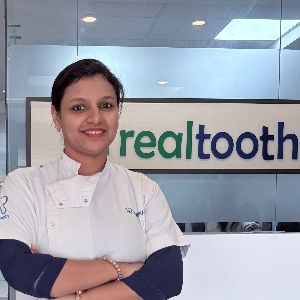
Dr Arpita Anand
Posted on 07-Aug, 2026