One of the most common questions dentists hear is:
“Doctor, I had this treatment only a few months ago. Why is it hurting again?”
It’s frustrating. You’ve invested your time, money and trust, yet the same tooth is troubling you again.
The truth is, dental treatments don’t always fail because the dentist made a mistake. In many cases, the real reason lies beneath the surface.
Your mouth is a dynamic environment. Every day your teeth face chewing forces, temperature changes, bacteria and constant wear. A restoration has to survive all of this for years.
Understanding why treatments fail can help you make better decisions and avoid repeating the same problem.
The 7 Most Common Reasons Dental Treatments Fail
1. The Cause Was Never Identified
A cavity is often only the symptom.
If the underlying cause—such as poor bite, grinding, gum disease or recurrent decay—isn’t addressed, even a perfectly placed restoration may eventually fail.
Good dentistry begins with diagnosis, not drilling.
2. Not All Dental Materials Are Equal
Patients often assume every crown or filling is the same.
They’re not.
Premium restorative materials are stronger, more wear-resistant and create better seals against bacteria.
Cheaper materials may reduce the initial cost but often compromise long-term durability.
3. Your Bite Wasn’t Balanced
Even a tiny discrepancy in your bite can create enormous pressure every time you chew.
Over months this can lead to:
* Broken fillings
* Loose crowns
* Cracked teeth
* Jaw discomfort
Modern dentistry increasingly relies on digital bite assessment to improve precision.
4. Root Canal Complexity
Many molars contain multiple canals.
If one tiny canal remains untreated, bacteria continue to survive, causing infection to return.
Advanced CBCT imaging helps locate these hidden canals before treatment begins.
5. Gum Disease Was Ignored
Crowns and implants sit on a biological foundation.
If the gums or supporting bone are unhealthy, restorations eventually loosen regardless of how well they were placed.
Healthy gums are essential for long-lasting dentistry.
6. Daily Habits Matter
Dentistry doesn’t end when you leave the clinic.
Grinding, smoking, sugary drinks, poor brushing and skipping flossing all reduce the lifespan of restorations.
The best dentistry still depends on good home care.
7. Treatment Was Delayed
Small problems become large problems surprisingly quickly.
A simple filling delayed for months can become a root canal.
A root canal left uncrowned can end in a fractured tooth.
Early treatment is almost always simpler, less invasive and less expensive.
How to Choose a Dentist Focused on Long-Term Success
Look for a clinic that:
* Explains the reason behind the problem
* Uses modern diagnostic technology
* Evaluates your bite
* Checks gum health
* Discusses long-term prognosis honestly
Dentistry shouldn’t just solve today’s pain.It should protect tomorrow’s smile.
The Realtooth Perspective
At Realtooth, we believe every successful dental treatment begins with understanding why the problem occurred in the first place. Modern technology, careful diagnosis, quality materials and preventive care help us focus not just on restoring teeth, but on helping those restorations last.
Why Do Dental Treatments Fail
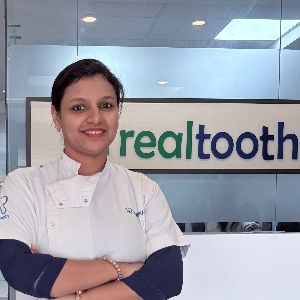
Dr Arpita Anand
Posted on 30-Jul, 2026