When Mrs. Sharma walked into our clinic, she looked exhausted. “Doctor, I don’t understand anymore,” she said. She had already undergone two fillings, one root canal, and one crown—all on the same tooth. Yet she still couldn’t chew comfortably. Her first question wasn’t whether the tooth could be saved. It was, “Why does this keep happening?” Surprisingly, the answer wasn’t hidden inside the tooth. It was hidden in everything around it.
Our examination revealed something that no one had explained to her before. The crown itself looked acceptable, and the root canal had been reasonably done. But her bite was uneven, causing excessive pressure on that single tooth every time she ate. Years of unnoticed night grinding had made the problem worse, while early gum disease had weakened the supporting tissues around the tooth. Individually, none of these issues seemed alarming. Together, they were enough to cause every treatment to fail.
This is something many patients don’t realise. Dentistry isn’t just about fixing teeth—it’s about understanding how the entire mouth functions. A filling placed in an unhealthy environment rarely survives. A crown placed on an overloaded tooth eventually cracks. An implant surrounded by unhealthy gums may loosen over time. Treating only what is visible often means missing the real problem.
At Realtooth, we believe every restoration deserves a complete diagnosis before treatment begins. Depending on the case, this may include CBCT imaging, bite analysis, gum evaluation, discussions about grinding habits, and comprehensive long-term treatment planning. Many patients are surprised that we spend more time diagnosing than treating, but that’s precisely what helps our treatments last.
Mrs. Sharma didn’t need another filling. She needed her bite corrected, her grinding managed, and her gum disease treated. Only then was the tooth restored again. Today, she eats comfortably—not because we performed a different procedure, but because we finally treated the right problem.
If you’ve had repeated dental work on the same tooth, don’t assume your tooth is “weak.” Sometimes it simply hasn’t been fully understood. The right diagnosis can change everything.
I Already Spent So Much- The Story Behind a Dental Treatment That Kept Failing
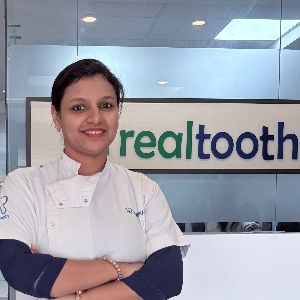
Dr Arpita Anand
Posted on 30-Jul, 2026