For many Indians living abroad, the annual trip home has a surprisingly long checklist.
Family. Weddings. Shopping. Food. Friends.
And somewhere near the bottom:
Dentist.
The intention is usually, “I’ll get my dental work done while I’m in India.”
The problem is that dentistry doesn’t always fit neatly into a two or three week holiday.
A filling or routine cleaning may require very little time. But a crown, root canal, implant or extensive cosmetic treatment may involve multiple stages, healing time or follow-up appointments.
So the smartest thing an NRI patient can do isn’t necessarily book more dental appointments.
It’s start planning earlier.
A pre-travel conversation with your dentist can be extremely useful. Share your travel dates and any recent dental records or X-rays you have. If something has been bothering you, mention it rather than waiting until you arrive.
Once you’re in India, a clinical examination and appropriate digital imaging can establish what actually needs attention.
Then comes the important part: prioritisation.
What is urgent?
What can realistically be completed during this trip?
What requires healing?
And what would be better completed during a future visit rather than rushed?
Modern digital dentistry has made this coordination considerably easier. CBCT imaging, intraoral scanners and digital treatment planning can improve diagnosis and help different treatments fit together more efficiently.
But technology doesn’t eliminate biology.
An implant still needs time to integrate with bone. Tissues still need time to heal. Complex dentistry still deserves proper planning.
And sometimes, the most responsible advice a dentist can give a patient with a return flight in two weeks is:
“Let’s not rush this.”
If you’re travelling home and dentistry is on your list, speak to your dentist before you board the flight—not during the final week of your stay.
After all, you came home to spend time with family.
Good planning helps make sure you don’t spend half of it at the dentist.
Coming Home to India Dont Leave Your Dental Treatment Until You Land
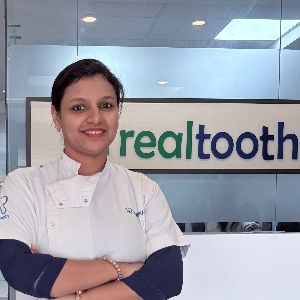
Dr Arpita Anand
Posted on 15-Aug, 2026